%20--%3e%3cg%3e%3cg%20id='Layer_1'%3e%3cg%3e%3cg%3e%3cg%3e%3cg%3e%3cpath%20class='cls-1'%20d='M54.7,12.3c-1.4-1-3.3-1.6-5.5-1.6s-4.1.5-5.5,1.6c-1.7,1.2-2.5,2.9-2.5,5v11.8h5v-11.8c0-.4.1-.7.5-.9.6-.4,1.4-.6,2.6-.6s2,.2,2.6.6c.3.2.4.5.4.9v9.8c0,.5.2,1,.6,1.4.4.4.8.6,1.4.6h3v-11.8c0-2.1-.8-3.7-2.5-5Z'/%3e%3cpath%20class='cls-1'%20d='M75.4,11.1c-1,0-1.9.4-2.5,1.1-1.5-1.1-3.4-1.6-5.5-1.5s-4.4,1.1-6,2.7-2.7,4-2.7,6.5,1,4.9,2.7,6.7,4,2.7,6.6,2.7,3.4-.5,4.8-1.5c.6.7,1.4,1.1,2.5,1.1h1.7V11.1h-1.7ZM71.2,23.2c-.9.9-1.9,1.3-3.2,1.3s-2.3-.5-3.1-1.3-1.2-1.8-1.2-3,.4-2.3,1.2-3.1,1.9-1.3,3.1-1.3,2.2.4,3.1,1.3c.9.9,1.3,1.9,1.3,3.1s-.4,2.2-1.3,3.1h0Z'/%3e%3cpath%20class='cls-1'%20d='M89.5,10.7c-1.5,0-2.8.3-4,1v-6.8h-5v24.1h1.7c1,0,1.9-.4,2.5-1.1,1.5,1.1,3.2,1.6,5.2,1.5s4.7-1.1,6.3-2.8,2.7-4,2.7-6.5-.9-4.8-2.7-6.6c-1.8-1.8-4-2.7-6.6-2.7ZM92.6,23.2c-.9.9-1.9,1.3-3.1,1.3s-2.3-.5-3.1-1.3-1.3-1.9-1.3-3.1.5-2.3,1.3-3.1,1.9-1.3,3.1-1.3,2.3.5,3.1,1.3,1.3,1.9,1.3,3.1-.5,2.3-1.3,3.1Z'/%3e%3cpath%20class='cls-1'%20d='M116.3,11.1c-1,0-1.9.4-2.5,1.1-1.5-1.1-3.4-1.6-5.5-1.5s-4.4,1.1-6,2.7-2.7,4-2.7,6.5,1,4.9,2.7,6.7,4,2.7,6.6,2.7,3.4-.5,4.8-1.5c.6.7,1.4,1.1,2.5,1.1h1.7V11.1h-1.7ZM112.1,23.2c-.9.9-1.9,1.3-3.2,1.3s-2.3-.5-3.1-1.3-1.2-1.8-1.2-3,.4-2.3,1.2-3.1,1.9-1.3,3.1-1.3,2.2.4,3.1,1.3c.9.9,1.3,1.9,1.3,3.1s-.4,2.2-1.3,3.1h0Z'/%3e%3cpath%20class='cls-1'%20d='M157.2,11.1c-1,0-1.9.4-2.5,1.1-1.5-1.1-3.4-1.6-5.5-1.5s-4.4,1.1-6,2.7c-1.8,1.8-2.7,4-2.7,6.5s1,4.9,2.7,6.7,4,2.7,6.6,2.7,3.4-.5,4.8-1.5c.6.7,1.4,1.1,2.5,1.1h1.7V11.1h-1.7ZM153,23.2c-.9.9-1.9,1.3-3.2,1.3s-2.3-.5-3.1-1.3-1.2-1.8-1.2-3,.4-2.3,1.2-3.1,1.9-1.3,3.1-1.3,2.2.4,3.1,1.3c.9.9,1.3,1.9,1.3,3.1s-.4,2.2-1.3,3.1h0Z'/%3e%3cpath%20class='cls-1'%20d='M164.6,10.6c.8,0,1.5-.3,2.1-.9.6-.6.9-1.3.9-2.1s-.3-1.5-.9-2.1c-.6-.6-1.3-.9-2.1-.9s-1.5.3-2.1.9c-.6.6-.9,1.3-.9,2.1s.3,1.5.9,2.1c.6.6,1.3.9,2.1.9Z'/%3e%3c/g%3e%3cpath%20class='cls-1'%20d='M130.2,24c0,0-.2,0-.2.1-.3.2-1.8.3-2.3.3s-1.1-.1-1.4-.4c-.2-.2-.3-.6-.3-1.2v-6.8h2.4c.5,0,1-.2,1.4-.6.4-.4.6-.8.6-1.4v-3h-4.3v-1.6c0-.5-.1-1-.4-1.4-.7-1.1-1.7-1.6-2.8-1.6h-1.7v16.4c0,1.9.6,3.5,1.9,4.7,1.2,1.2,2.8,1.8,4.8,1.8s1.8,0,2.6-.2v-5.3Z'/%3e%3c/g%3e%3crect%20class='cls-1'%20x='162'%20y='11.6'%20width='5'%20height='17.6'/%3e%3cpath%20class='cls-1'%20d='M139.6,26.1c0,1.8-1.5,3.3-3.3,3.3s-2.6-.2-2.8-.2c0,0-.5-2.2-.5-3.1,0-1.8,1.5-3.3,3.3-3.3s2.8.1,3,.4c.2.4.4,2,.4,3Z'/%3e%3c/g%3e%3cpath%20class='cls-1'%20d='M29.3,17.5c-1.9,0-3.5,1.3-3.9,3h-.3c-2.8,0-5.3,1.2-7,3.1v-4.9c0-3.3.5-4.5,3.2-4.6.5,1.6,2,2.7,3.8,2.7s4-1.8,4-4-1.8-4-4-4-3.3,1.2-3.8,2.9c-1.3,0-2.3.3-3.1.7v-4.6c1.6-.5,2.7-2,2.7-3.8S19,.2,16.8.2s-4,1.8-4,4,1.2,3.3,2.9,3.8v4.6c-.8-.5-1.9-.7-3.3-.8-.5-1.7-2-2.9-3.8-2.9s-4,1.8-4,4,1.8,4,4,4,3.2-1.1,3.8-2.7c0,0,0,0,0,0,2.8,0,3.3,1.1,3.3,4.6v4.9c-1.7-1.9-4.2-3.1-7-3.1h-.7c-.4-1.7-2-3-3.9-3S0,19.3,0,21.5s1.8,4,4,4,3.1-1,3.7-2.5h.9c3.9,0,7,3.1,7,7v1.6h-4.2c-.7,0-1.2.5-1.2,1.2s.5,1.2,1.2,1.2h10.9c.7,0,1.2-.5,1.2-1.2s-.5-1.2-1.2-1.2h-4.2v-1.6c0-3.9,3.2-7,7-7h.5c.6,1.5,2,2.5,3.7,2.5s4-1.8,4-4-1.8-4-4-4ZM25,11.4c.9,0,1.6.7,1.6,1.6s-.7,1.6-1.6,1.6-1.6-.7-1.6-1.6.7-1.6,1.6-1.6ZM8.6,14.5c-.9,0-1.6-.7-1.6-1.6s.7-1.6,1.6-1.6,1.6.7,1.6,1.6-.7,1.6-1.6,1.6ZM4.1,23.1c-.9,0-1.6-.7-1.6-1.6s.7-1.6,1.6-1.6,1.6.7,1.6,1.6-.7,1.6-1.6,1.6ZM16.8,5.7c-.9,0-1.6-.7-1.6-1.6s.7-1.6,1.6-1.6,1.6.7,1.6,1.6-.7,1.6-1.6,1.6ZM29.3,23.1s0,0,0,0c0,0,0,0,0,0,0,0-.1,0-.2,0,0,0,0,0,0,0-.8-.1-1.3-.8-1.3-1.5s.6-1.5,1.4-1.6c0,0,0,0,0,0,0,0,0,0,0,0s0,0,0,0c0,0,0,0,0,0,.9,0,1.6.7,1.6,1.6s-.7,1.6-1.6,1.6Z'/%3e%3c/g%3e%3c/g%3e%3c/g%3e%3c/svg%3e)
Nabat is building the operating system for nature.
An end-to end AI platform to restore and manage the planet's most critical ecosystems at scale.
Nature is the planet's most critical infrastructure. Yet it has no standard operating system. Nabat is building it.
Coastal and dryland ecosystems are massive carbon sinks,
protect inhabited coastlines, and underpin critical food systems - yet are
dangerously undermanaged & underserved today.
Nabat changes that.
Coastal
7M ha of mangrove ecosystems are at risk of collapse by 2050. That is 50% globally.
Arid
1B ha of dry lands are degraded. That is 10-20% globally.
NabatOS
A complete AI-powered ecosystem management platform, that supports the full journey of government environmental agencies, corporate ESGs, project developers, and nature investors.
From accurate data to scalable action, to verified outcomes.
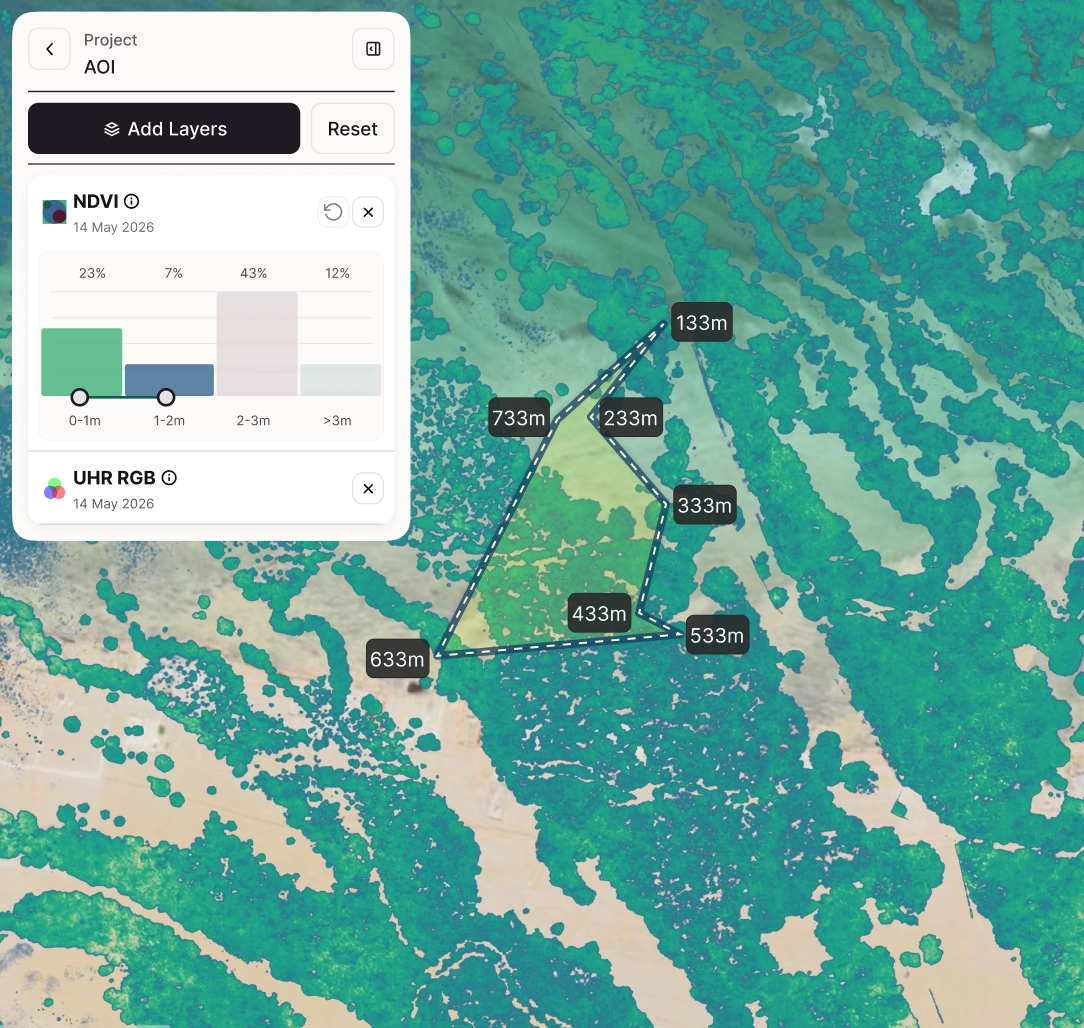
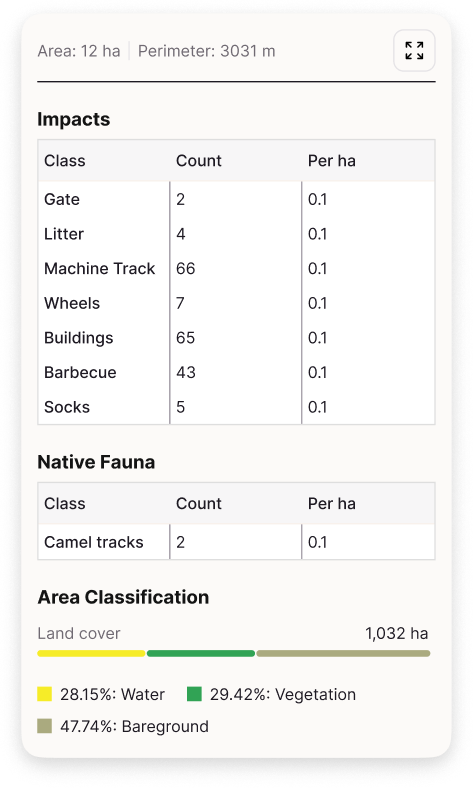
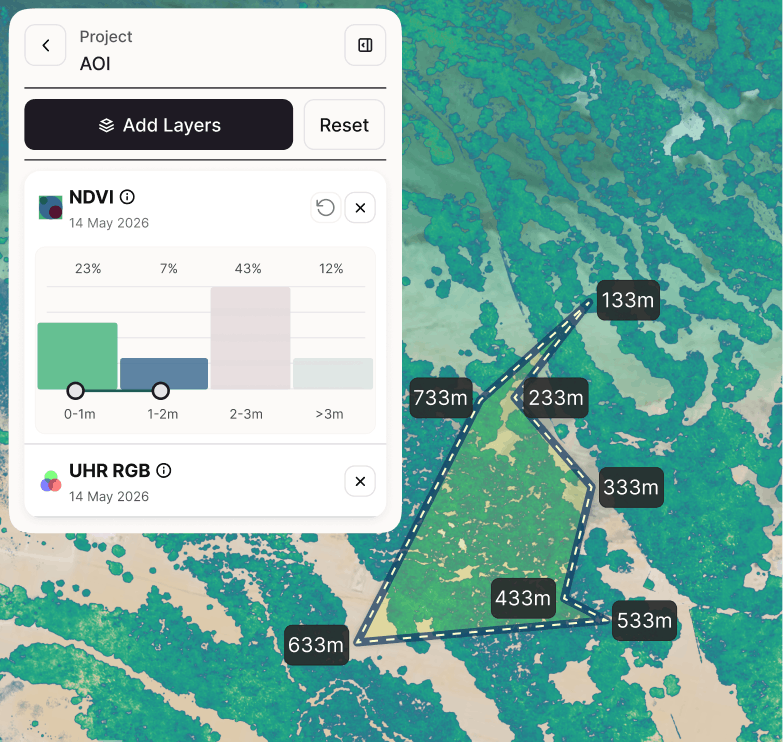
NabatOS pipeline
Manages ecosystems from data capture to verified outcomes.
Map
Multi-sensor acquisition: survey drones, satellites, field sensors, LiDAR, SAR, optical. mm-resolution aerial and marine coverage. Data ingested directly into NabatOS for Ether-powered analysis.
Assess
Ether-powered habitat intelligence: land cover classification, species identification, canopy structure, biomass estimation, and health scoring — across the full site at scale.
Plan
AI-led site suitability scoring: restoration zone mapping integrating hydrology, salinity gradients, sediment dynamics, and species-habitat fit. Interventions tested against multiple failure conditions.
Restore
Autonomous seeding mission planning and execution: AI-optimized UAV flight paths, precision dispersal by site zone. Seed and sapling detection. Ground-truth integration for emergence confirmation.
Monitor
Continuous satellite and drone-based growth tracking: risk alerts and health change detection in near real-time. Stress signals detected before they become visible to the human eye.
Verify
Data-lineage-backed outcome verification: carbon sequestration estimates, biodiversity recovery metrics, audit-ready reporting for carbon markets and compliance.
Ether
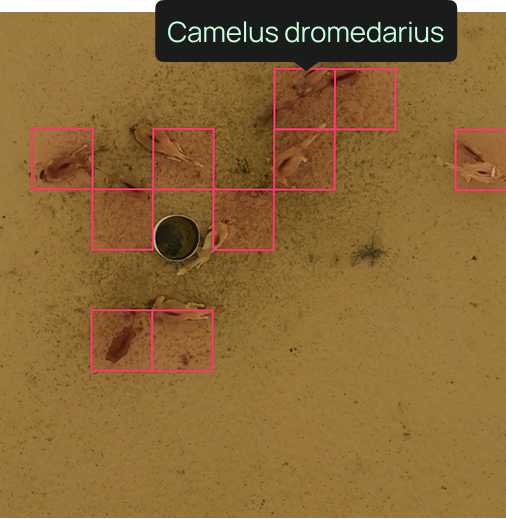
Nabat's self-supervised geospatial AI foundation model — trained on petabytes of coastal and arid habitat data at mm-level resolution, across millions of hectares.
It drives every analysis in NabatOS: from land cover classification and site suitability scoring to biomass estimation, carbon sequestration modeling, and real-time health change detection. Purpose-built for the ecosystems where no off-the-shelf model works.
Millions ha
coverage
Petabytes
training data
mm-level
resolution
Field-validated
by in-house ecologists
Task-specific AI models
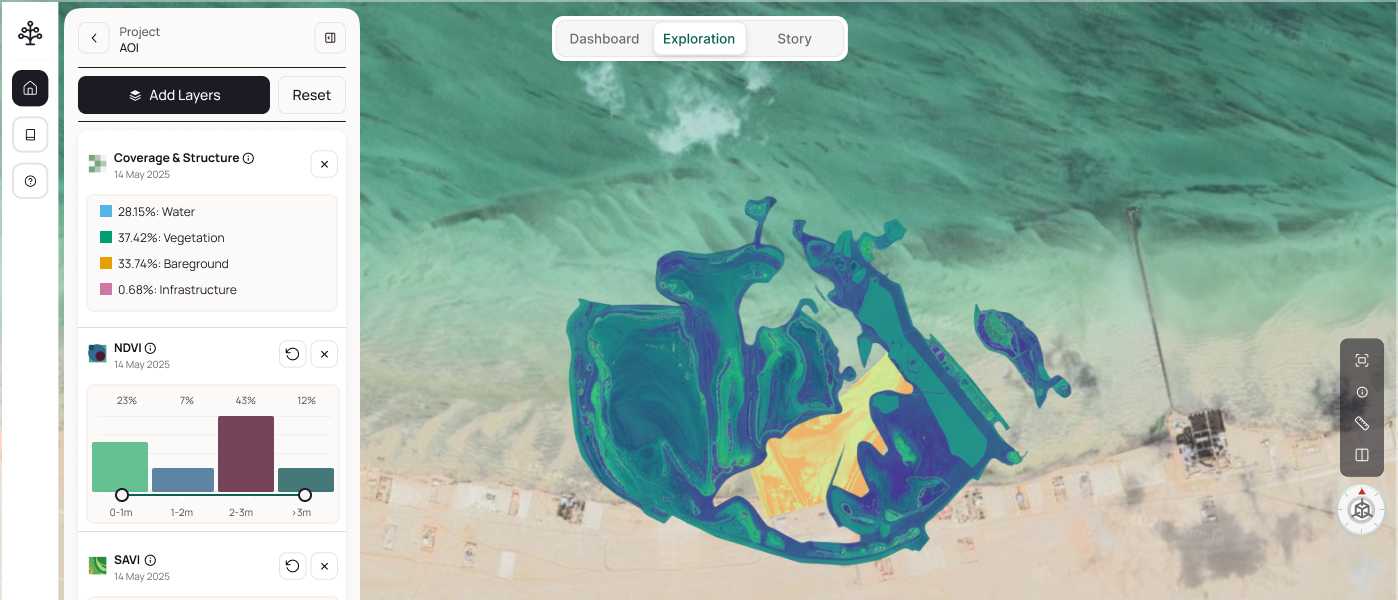
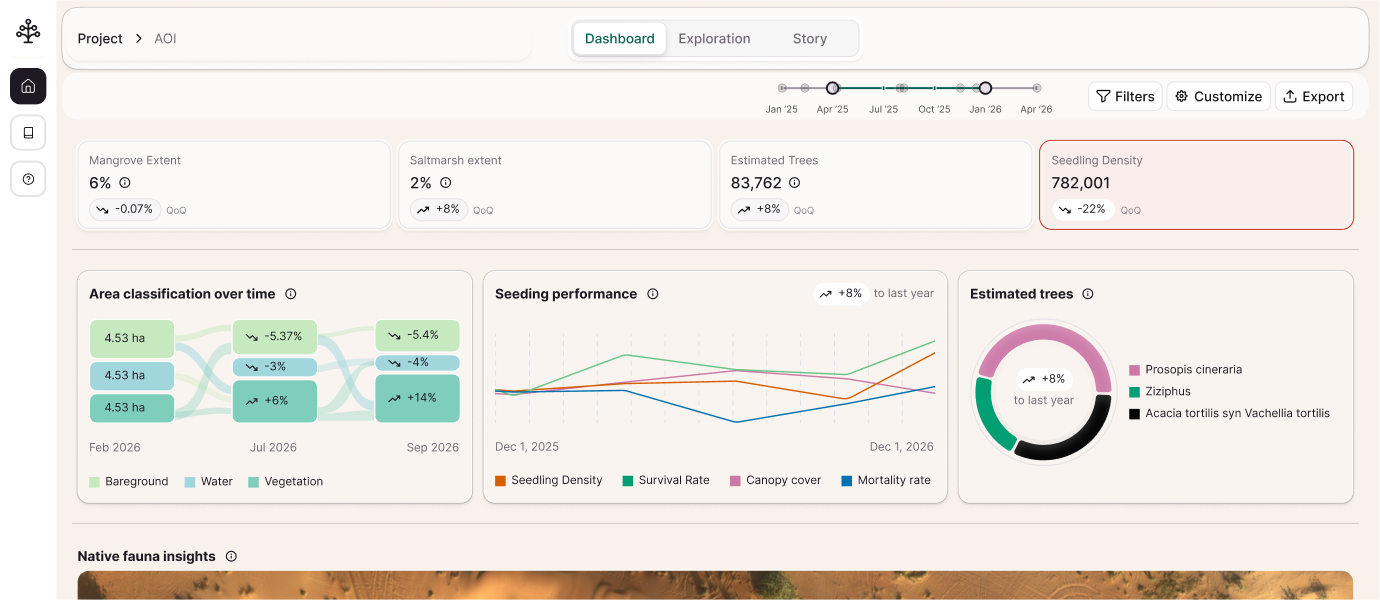
See NabatOS in action
Nabat Services
Nabat expert services deliver real-world outcomes – combining science, technology, and community engagement.
Nature program
Design · Planning · Delivery · Monitoring
High-precision data capture
mm resolution · Aerial & marine · Optical, LiDar, SAR
Autonomous aerial seeding
large scale · Science-led
Ecology consulting
Methodology · Ground truthing
Community engagement
Knowledge transfer · Capacity building
Ready to design your program?
Solutions
Solutions
Full-lifecycle solutions to map, protect, restore and manage nature as infrastructure

Nabat Protect™
Intelligence for nature policyNation-scale AI mapping and surveillance that gives governments proof of ecosystem change to protect natural assets and enforce policy.
Government agencies & regulators
Nabat Manage™
Track ecosystem conditionRecurring monitoring of coastal & arid ecosystems and rangelands, turning condition, degradation and recovery into clear insights landowners can act on.
Landowners & ecosystem managers
Nabat Restore™
Restore nature at scaleEnd-to-end mangrove and arid restoration: identify suitable sites, plant native species at scale, and track survival, recovery and carbon impact.
Project developers, corporates & investors
Nabat Operate™
Intelligence for field operationsRecurring monitoring that detects stress, mortality and irrigation issues - prioritizing targeted actions across forests and farms day to day.
Forest & farm managersSolutions
Our solutions support the full journey of government environmental agencies, corporate ESGs, project developers, and nature investors. From accurate data to scalable action, to verified outcomes.
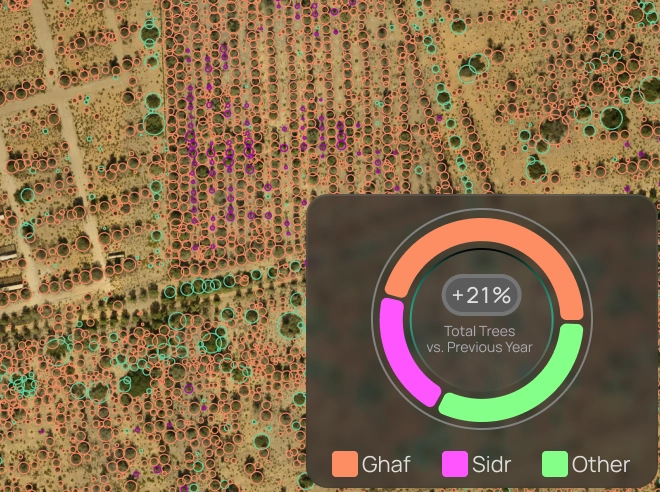
Ecosystem Intelligence
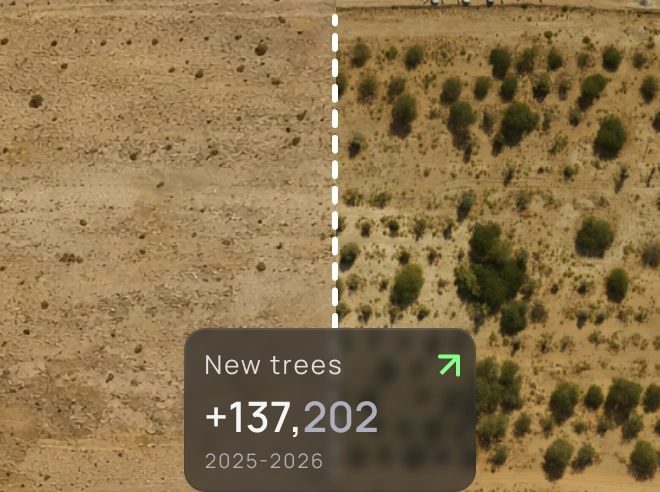
Ether, our proprietary geospatial AI model, delivers mm-resolution habitat mapping — species ID, canopy structure, biomass, health change detection — across millions of hectares. Purpose-built for coastal and arid ecosystems.
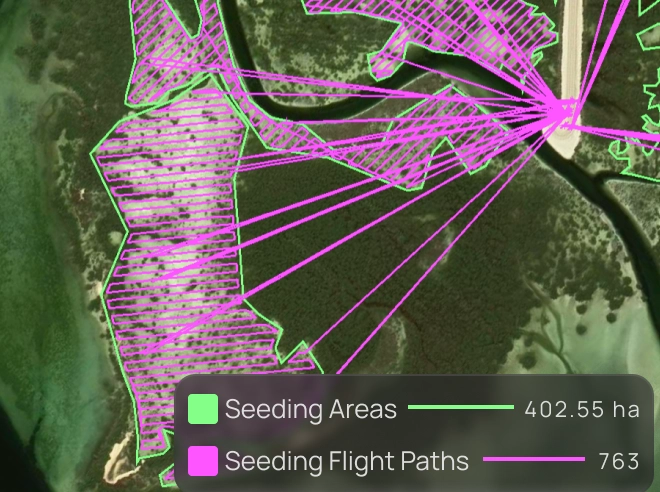
Ecosystem Restoration
AI-driven site selection, autonomous drone seeding, and continuous growth monitoring — validated by in-house ecologists in the field.
Digital MRV
Digital monitoring, reporting, and verification (DMRV) - continuous, spatially comprehensive, AI-powered verification against consistent ecological baselines.
Case studies
Government Agency

Technology-led mangrove restoration & monitoring
Challenge
Deliver large-scale coastal restoration with measurable, verifiable ecological impact
Solution
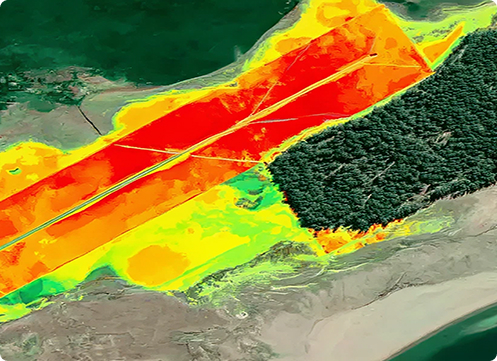
AI-powered site suitability scoring, autonomous UAV seeding missions, AI-led sapling health monitoring backed by ground truthing
20,000 hectares to be restored. Growth and health monitored continuously across the full program area
Forest Management Operator
Large-scale forest survey & monitoring
Challenge
Manual forest monitoring is costly, low-resolution, and slow to act on
Solution
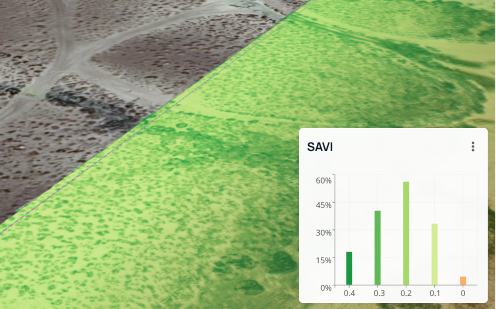
High-resolution imagery and proprietary AI models for automated forest monitoring and biodiversity assessment
Delivered automated species detection & count, and data-driven ecosystem management decisions with cost saving
Government & National Regulator
Terrestrial & marine habitat classification & health assessment
Challenge
Accurately map and assess terrestrial and marine habitats at national scale
Solution
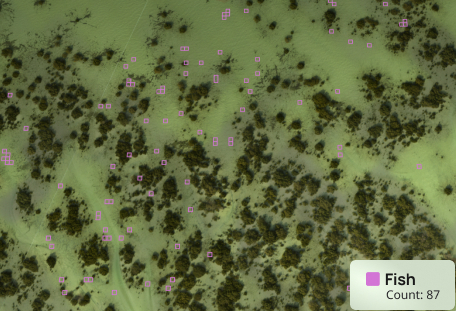
AI-driven habitat classification and ecosystem health assessment across land and marine habitats
Enabled national conservation planning, across 43 terrestrial and 14 marine habitats
Our team
Built at the intersection of AI, ecology, and large-scale field delivery.

Reda Nidhakou
Chief Executive Officer

Mehdi Ajana
VICE PRESIDENT OF STRATEGY & GROWTH

Taha Ghaznavi
Chief Product Officer

Georges Ibrahim
Vice President of Operations

Nada El Shanawany
SENIOR ECOLOGY Manager

Stevie-Joe Van De Peer
Flight Operations Manager

Amine Marrakchi
STRATEGY PROJECT MANAGER

Scott Breadmore
BUSINESS DEVELOPMENT DIRECTOR
Insights & research
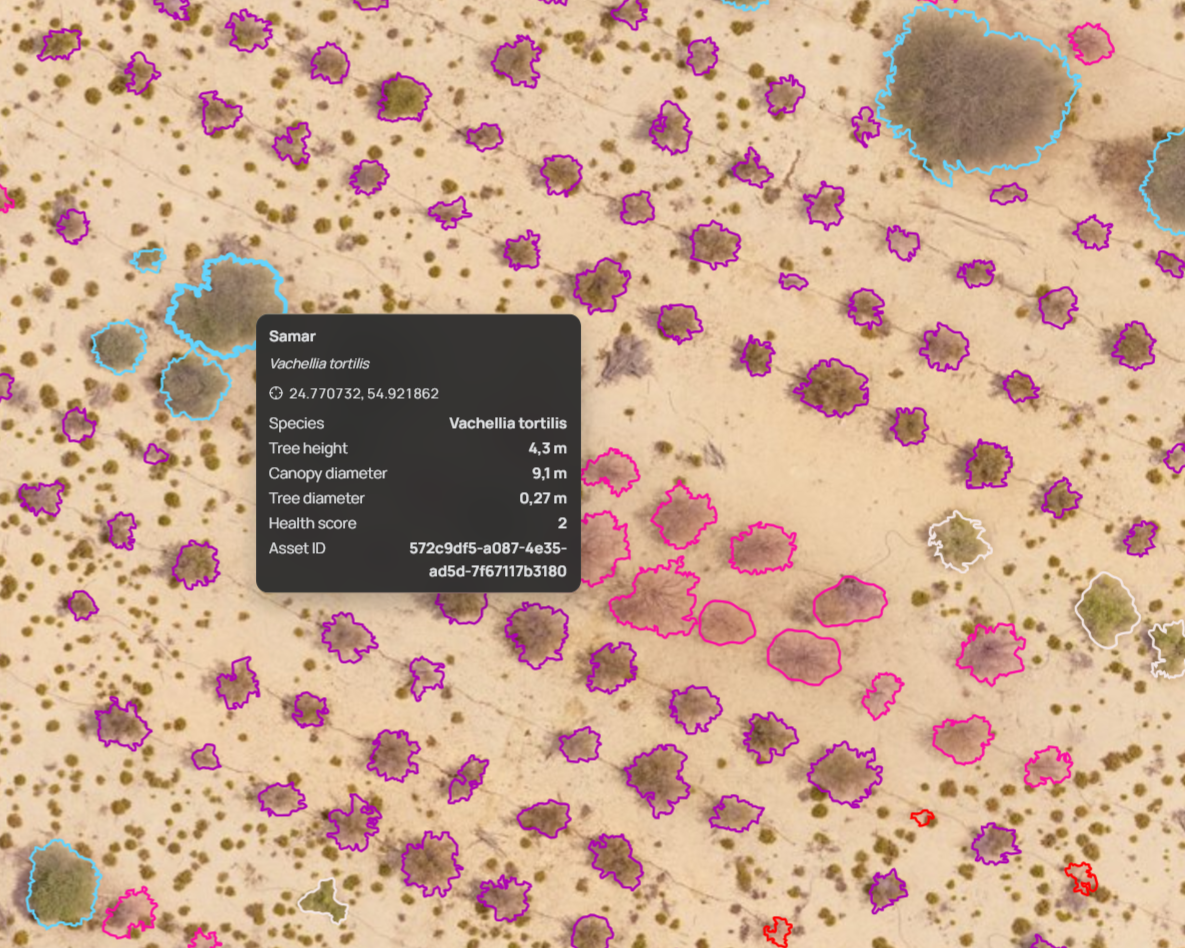
Seeing the Forest, One Tree at a Time
Over several decades, millions of trees have been planted across the UAE as part of ambitious afforestation and land management programs. The challenge now is not simply how to establish forests in on...
Nabat named one of 10 winners of World Economic Forum UpLink Scaling Land Restoration Challenge
ABU DHABI, UAE - September 22, 2026 - Nabat, the Abu Dhabi nature technology company building the Operating System for Nature, has been selected as on...
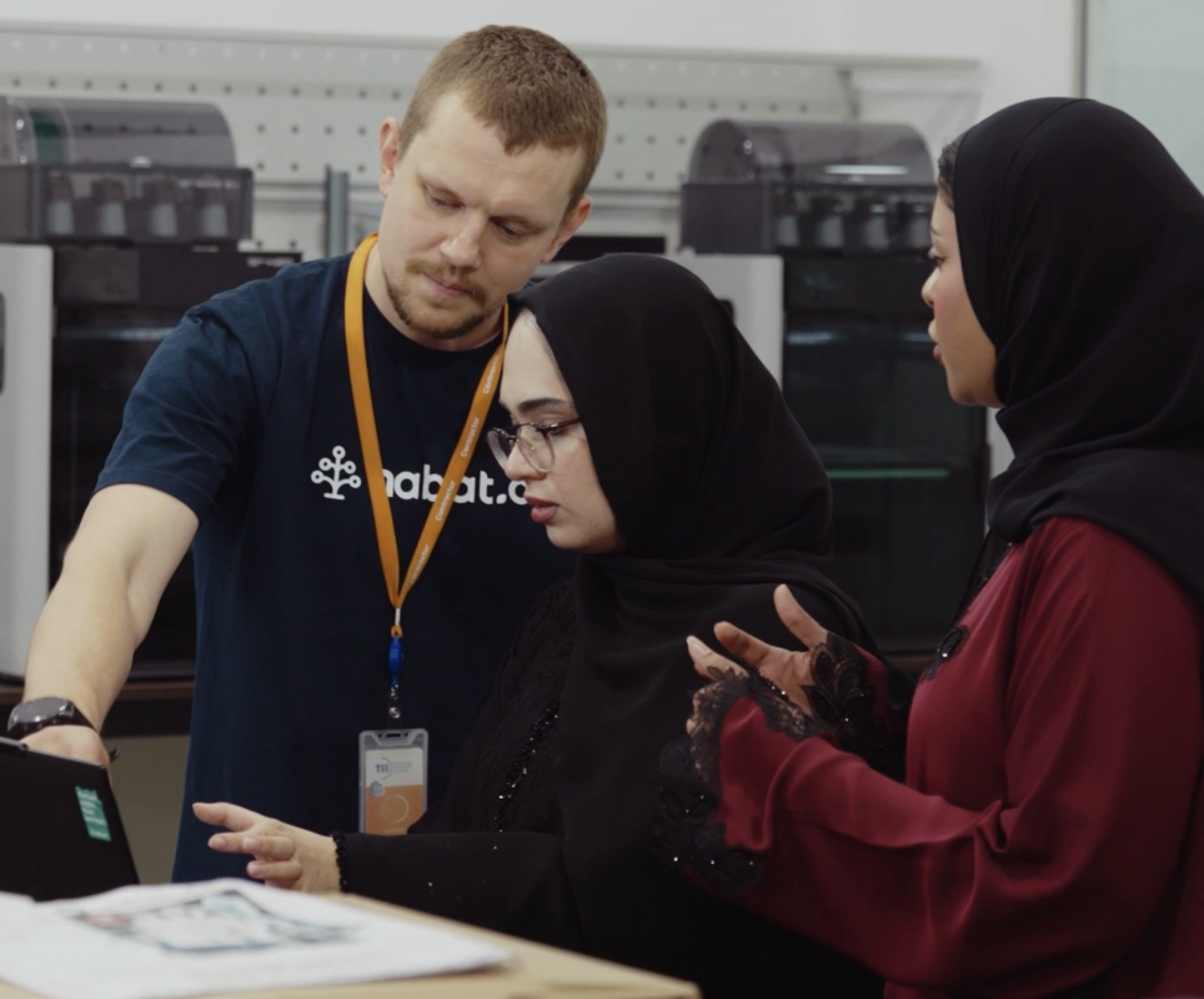
Engineering with Nature in Mind
Mangrove seeding depends on placing the right number of seeds in the right location, under conditions that give them a real chance of establishing.&nb...

Our partners